 Focus Grappling
Free guide
BJJ technique guide
34 fundamental techniques of Brazilian jiu-jitsu, each with numbered steps, the details that make it work, the mistakes that stop it working, and drawings of every key moment. The same guide is built into the Focus Grappling app, so it's in your pocket at the gym, even with no signal.
Guards · Sweeps · Guard passing · Submissions · Escapes · Takedowns · Control positions · Movement & fundamentals · Glossary
Guards
Playing from your back: how to hold each guard and what to look for.
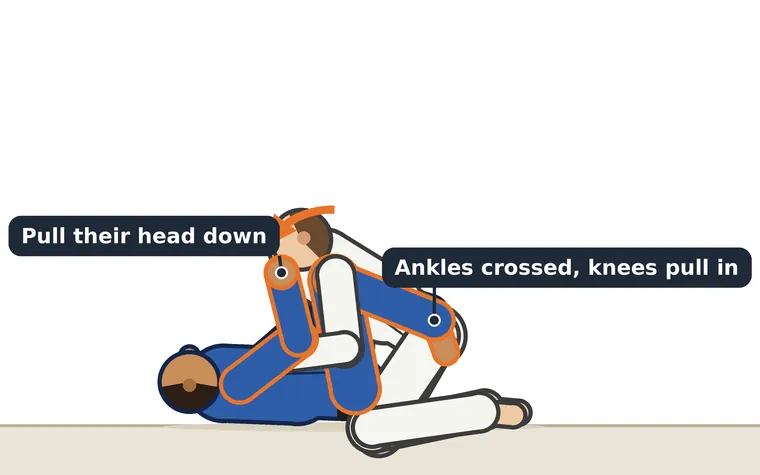 Closed guard basics
Sweeps
Turning the tables from guard to end up on top.
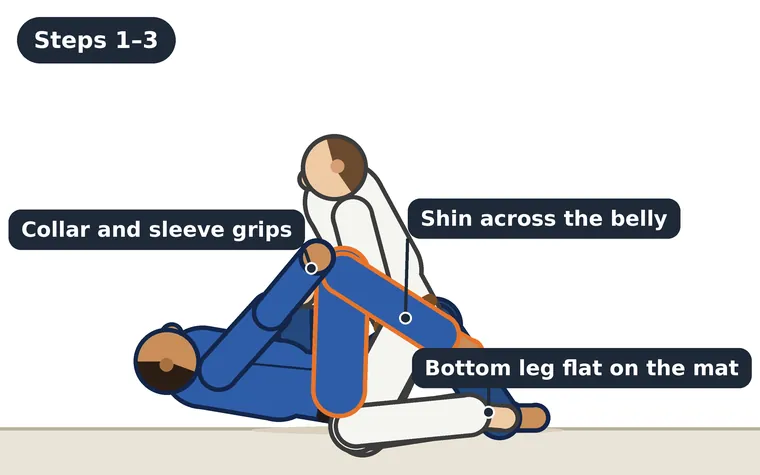 Scissor sweep
A classic closed-guard sweep: one shin across their body, the other leg chops theirs.
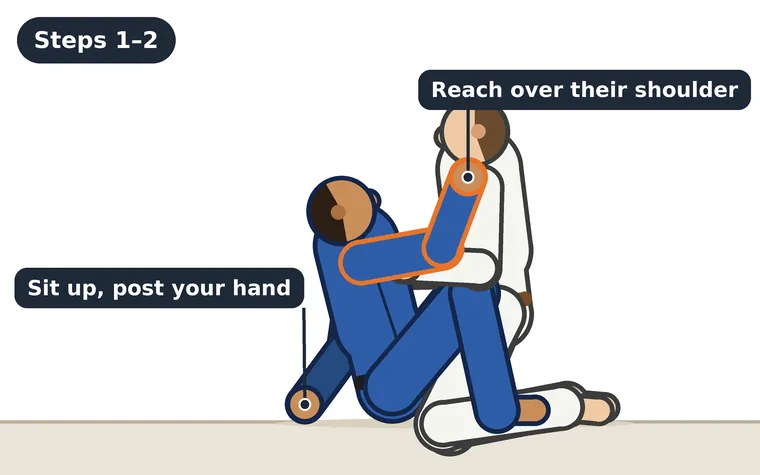 Hip bump sweep
When your opponent sits up tall in your closed guard, sit up and bump them over.
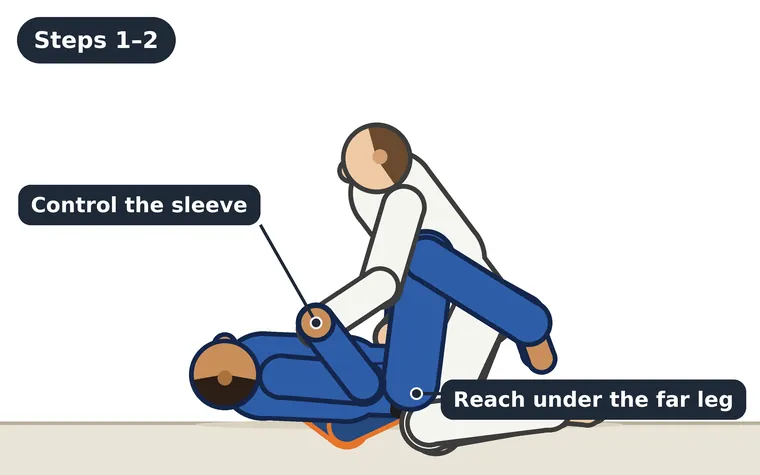 Flower sweep
From closed guard, swing your leg like a pendulum to flip your opponent over.
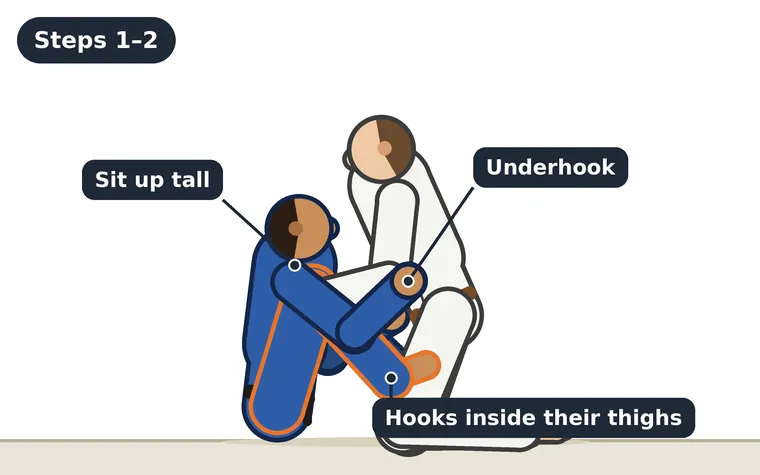 Butterfly sweep
Seated with hooks under their thighs, fall to one side and lift them over.
Guard passing
Getting past the legs to side control or mount.
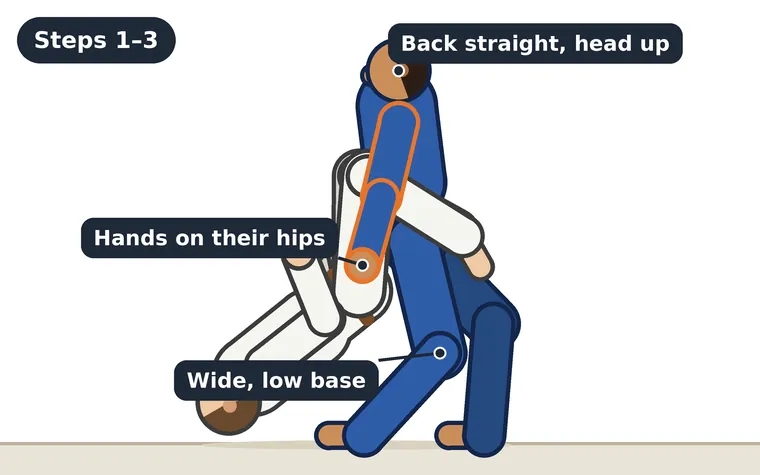 Standing closed guard break
Stand up in good posture and open someone's crossed legs before passing.
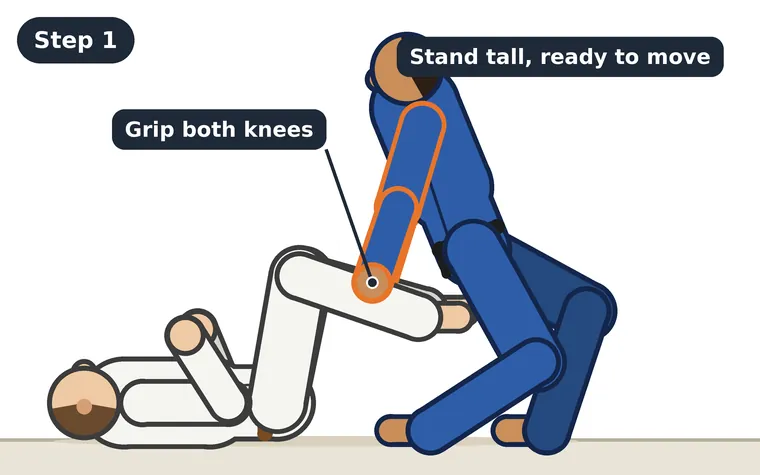 Toreando pass
Grip the pants or knees, push the legs to one side and run around them.
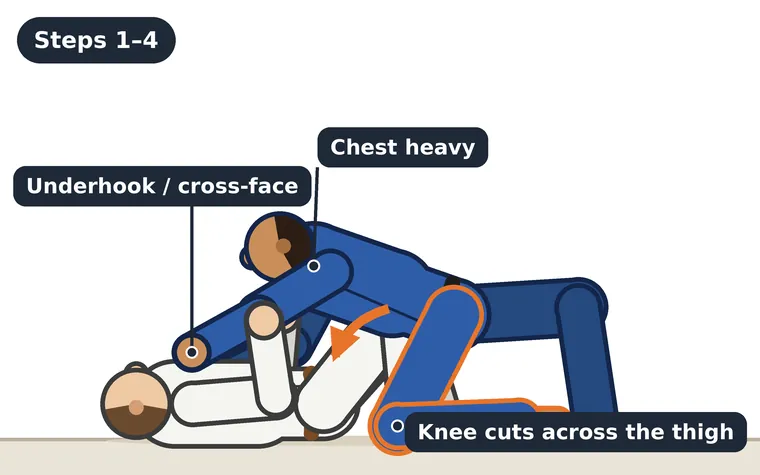 Knee cut pass
Slide your knee across their thigh while controlling the upper body, landing in side control.
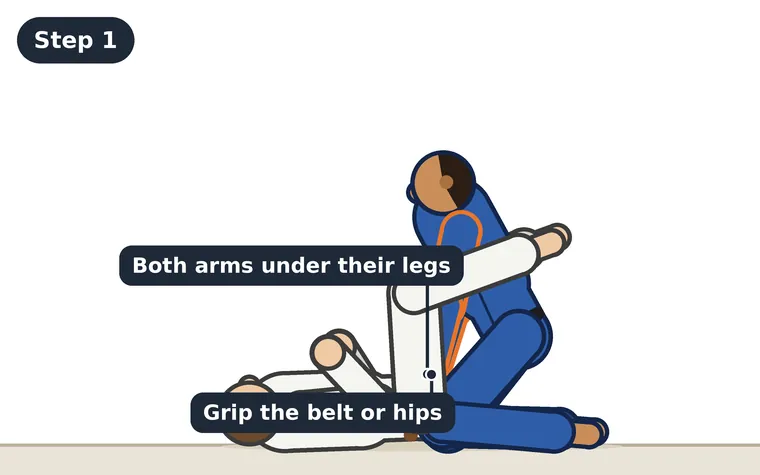 Double-under pass
Scoop both legs, stack them over their head and walk round to side control.
Submissions
Joint locks and chokes, step by step. Apply slowly and let go the moment your partner taps.
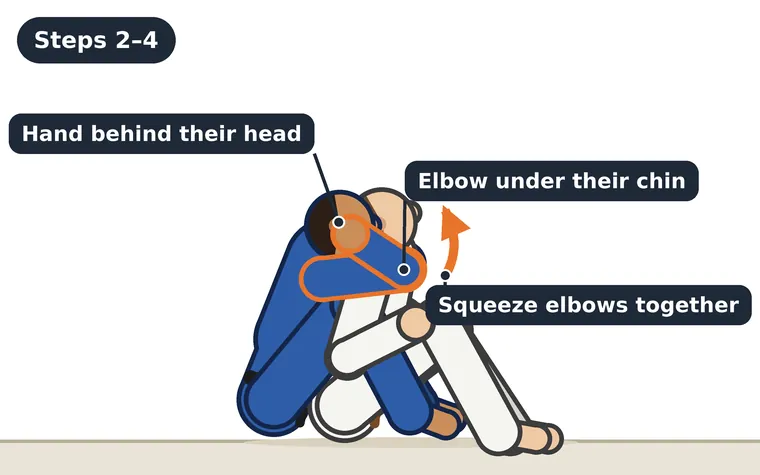 Rear naked choke
The most effective choke in BJJ, from back control.
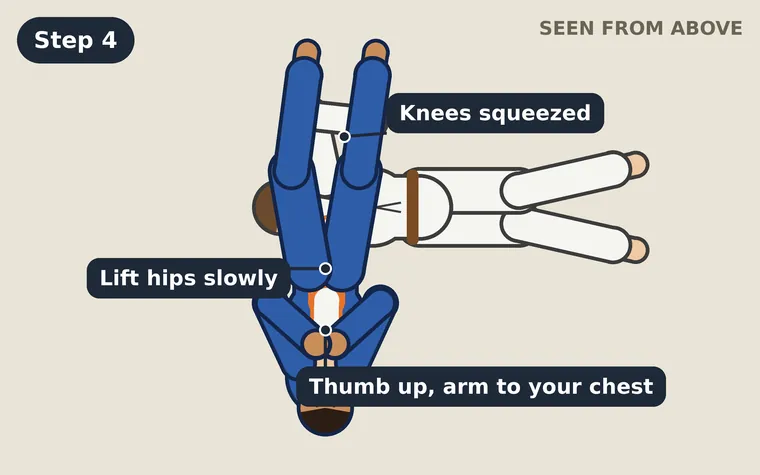 Armbar from guard
From closed guard, isolate an arm, swing your leg over the head and extend the elbow.
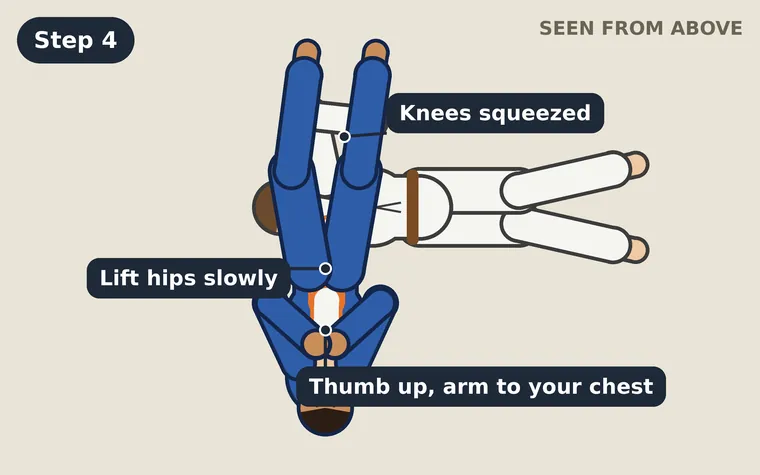 Armbar from mount
From mount, climb high, isolate an arm and fall back into the armbar.
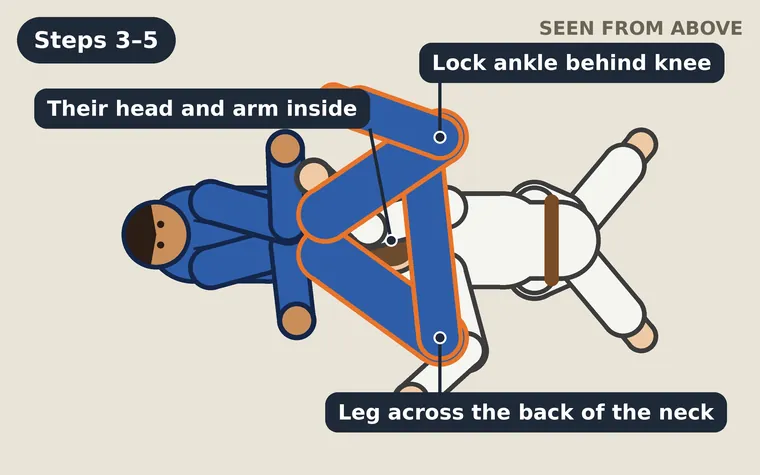 Triangle choke
Trap one arm and the head inside your legs and choke with your thighs.
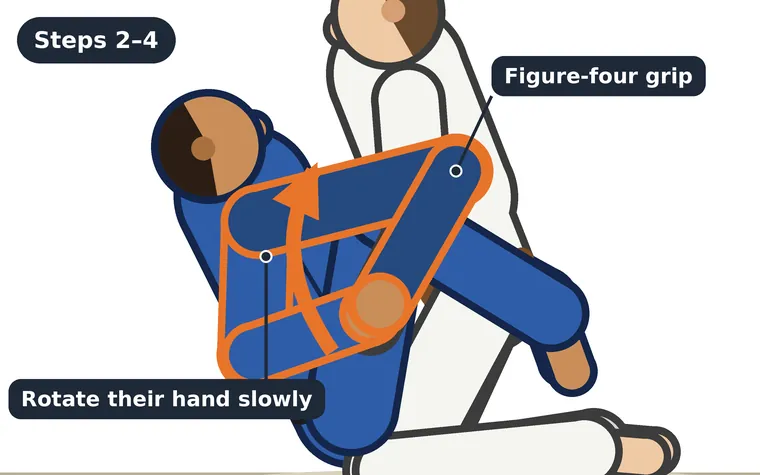 Kimura from guard
A figure-four shoulder lock, taken when your opponent posts a hand on the mat.
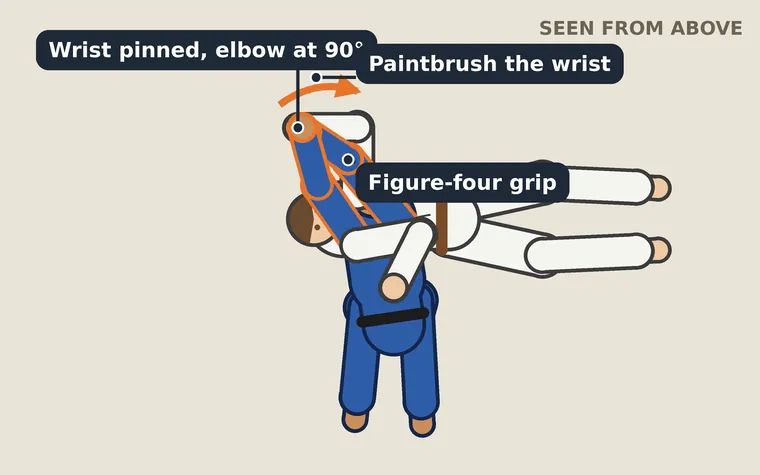 Americana
A bent-arm shoulder lock from side control or mount, rotating the arm towards their head.
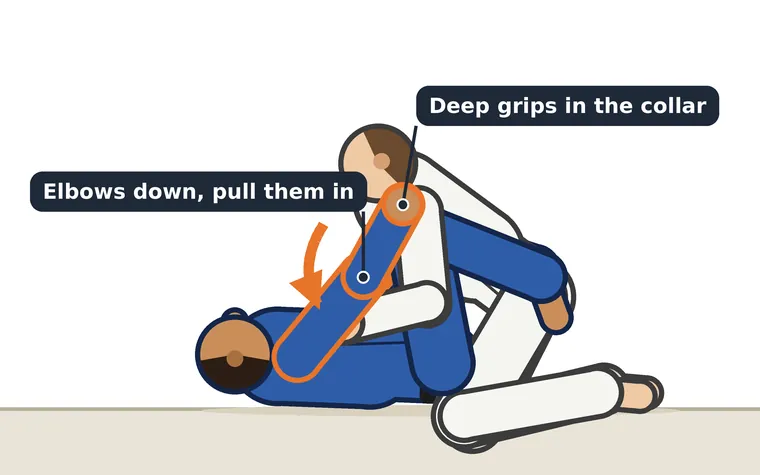 Cross collar choke
A gi choke using both hands deep in the collar, from mount or guard.
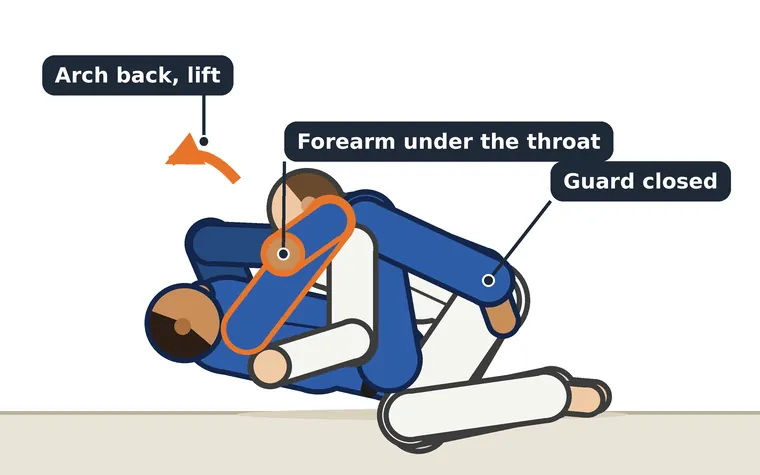 Guillotine choke
A front headlock choke, often caught when someone shoots or ducks their head.
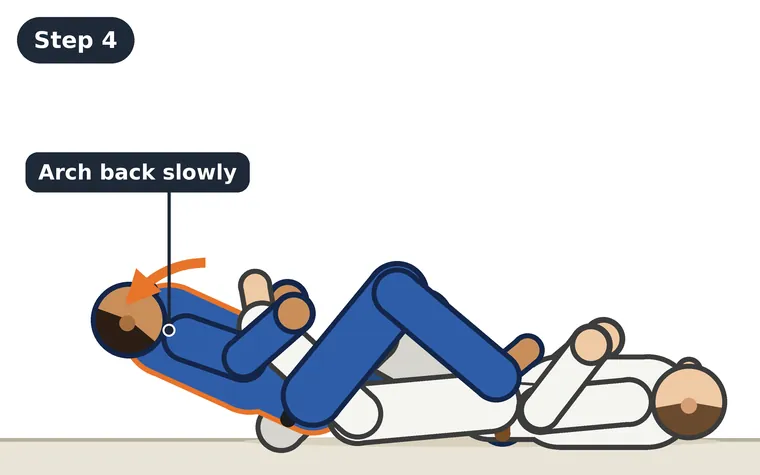 Straight ankle lock
The fundamental leg lock, legal from white belt in most rule sets.
Escapes
Getting out of bad spots: mount, side control and back.
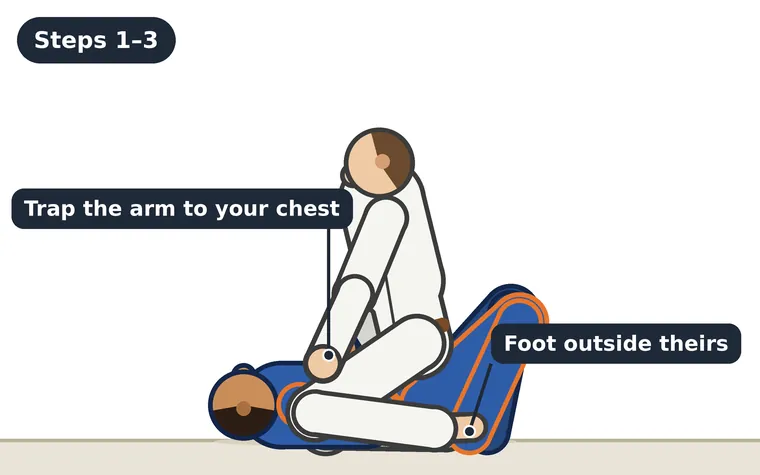 Mount escape: bridge and roll
The first mount escape most people learn: trap one side, then bridge and roll your opponent over.
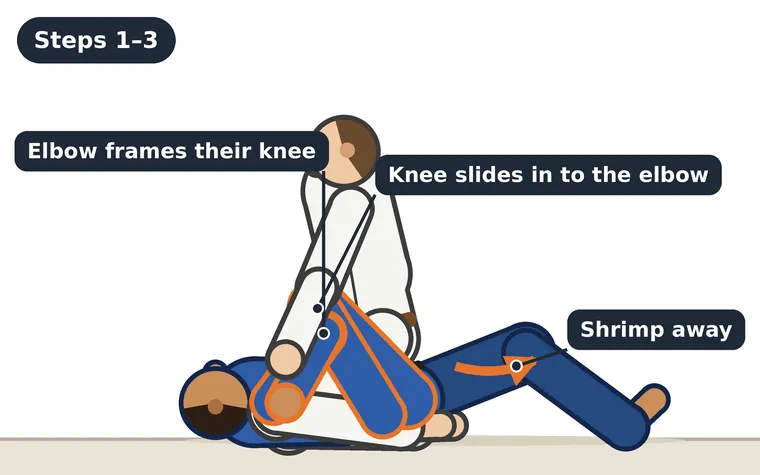 Mount escape: elbow–knee
Use shrimping to make space and pull a leg back to half guard or full guard.
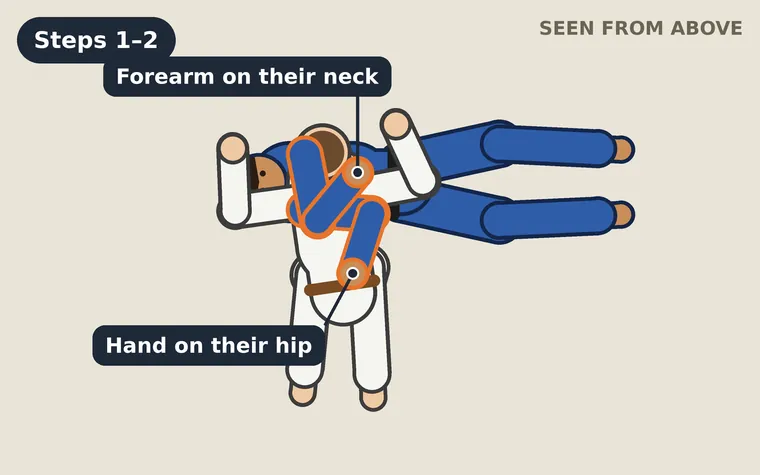 Side control escape to guard
Frame, shrimp and bring a knee back in to recover your guard from bottom side control.
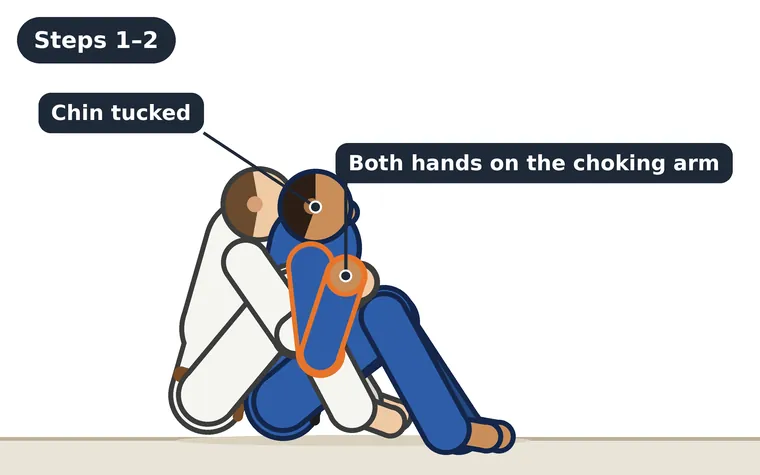 Back escape
Protect your neck first, then slide your shoulders to the mat on the side of their bottom hook.
Takedowns
Bringing the fight to the ground safely.
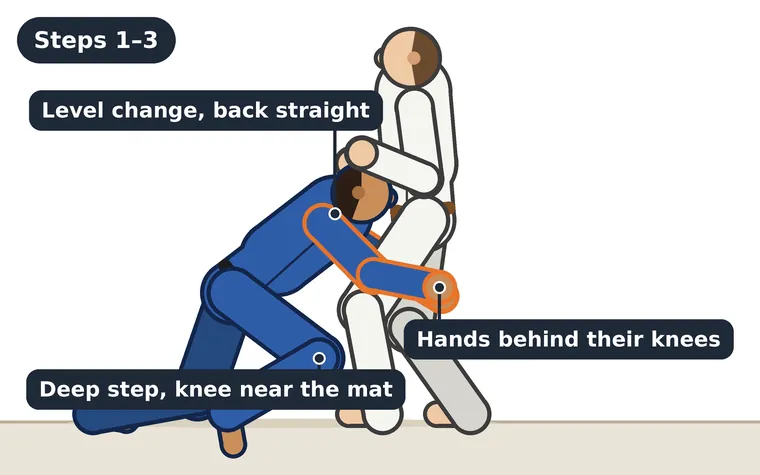 Double-leg takedown
Change levels, drive through with your shoulder and wrap both legs.
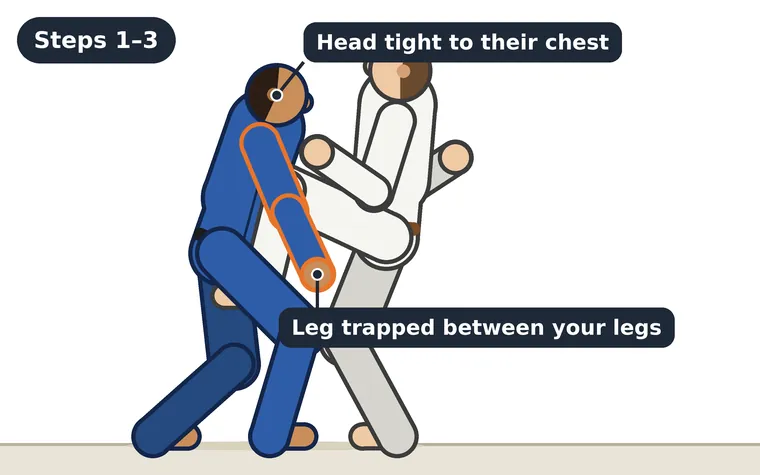 Single-leg takedown
Capture one leg, lift or run the pipe to finish.
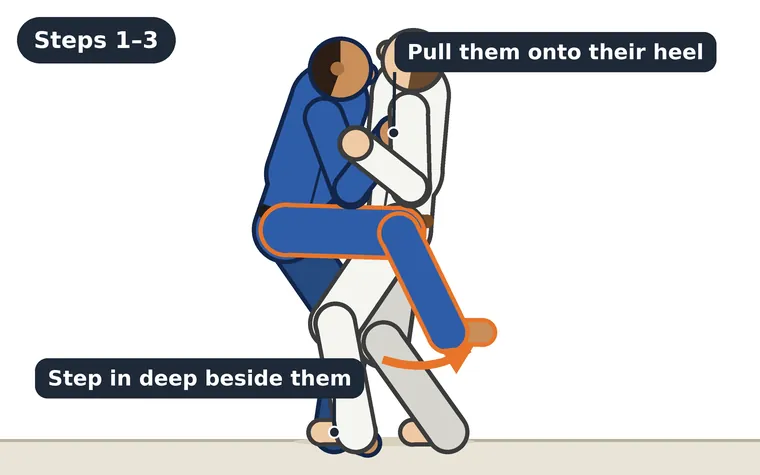 Osoto gari
A judo throw: break their balance backwards and reap the leg they're standing on.
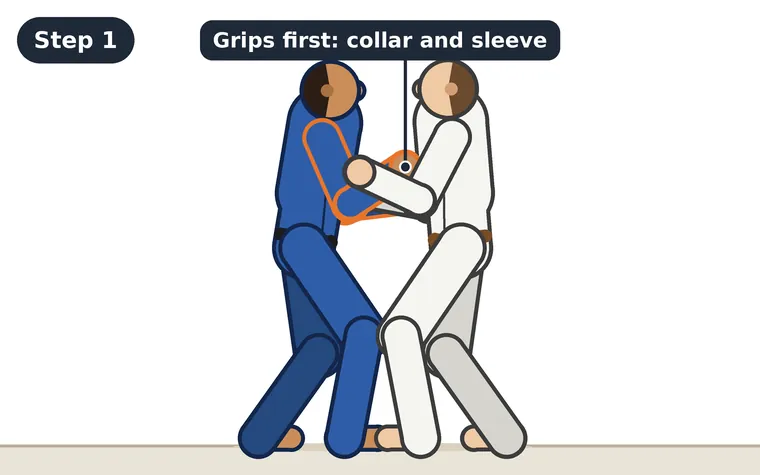 Guard pull
Taking the fight to the ground by sitting to your guard with grips.
Control positions
Holding the dominant positions you work so hard to reach.
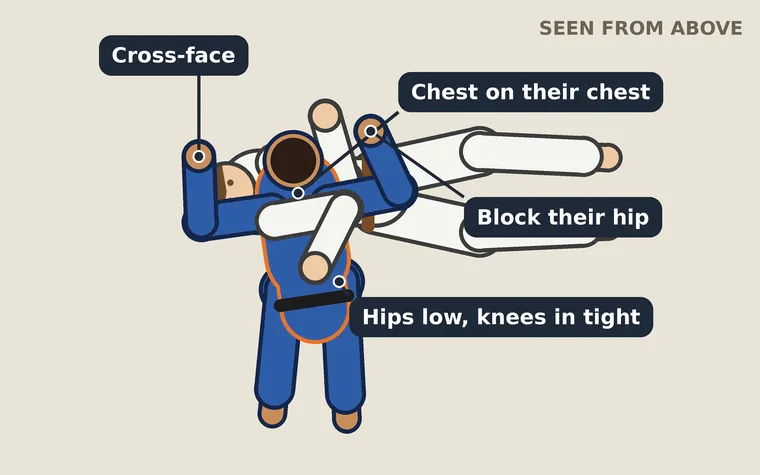 Side control
Chest to chest, pinning them from the side: the base for most top attacks.
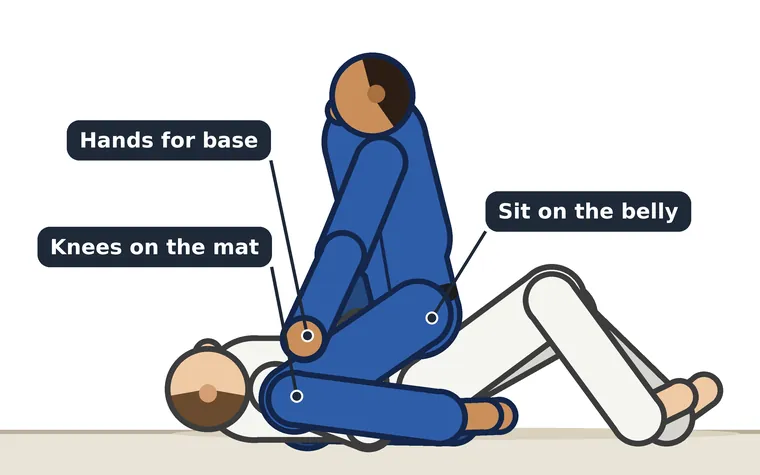 Mount
Sitting on your opponent's torso: the most dominant top position.
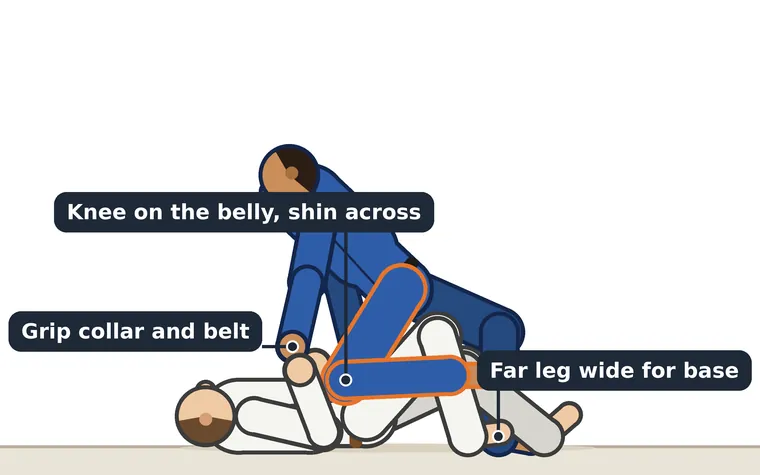 Knee on belly
A mobile top position with your shin across their stomach, great for transitions.
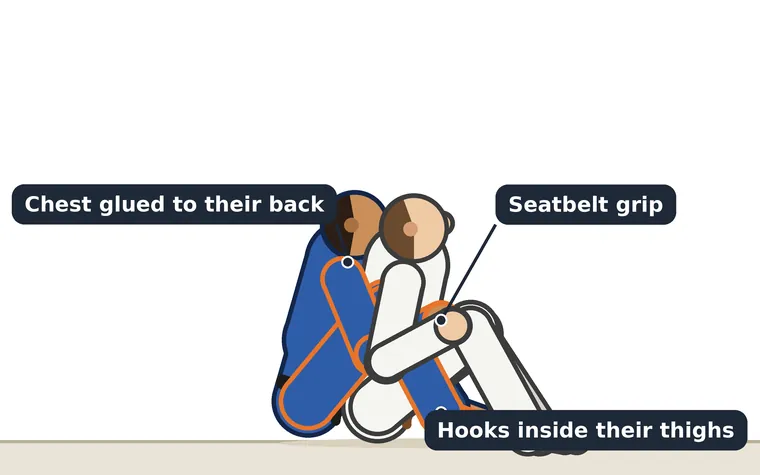 Back control
Behind your opponent with hooks in and a seatbelt grip: the best position for submissions.
Movement & fundamentals
The movements every class warm-up is built on.
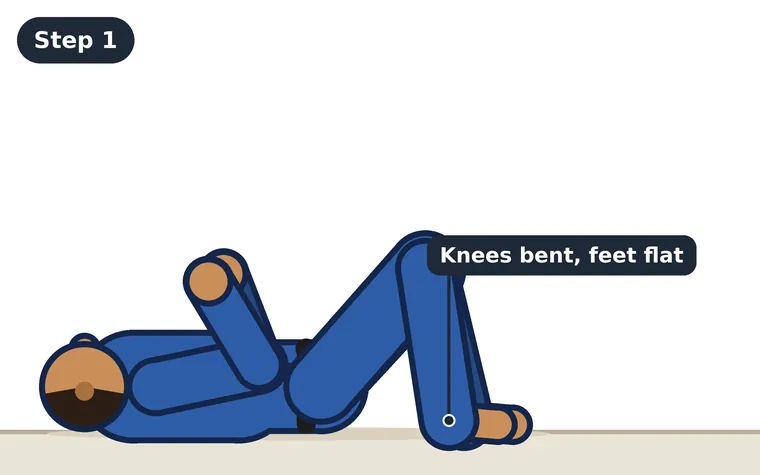 Shrimp (hip escape)
The most important escaping movement in BJJ: moving your hips away from your opponent to make space.
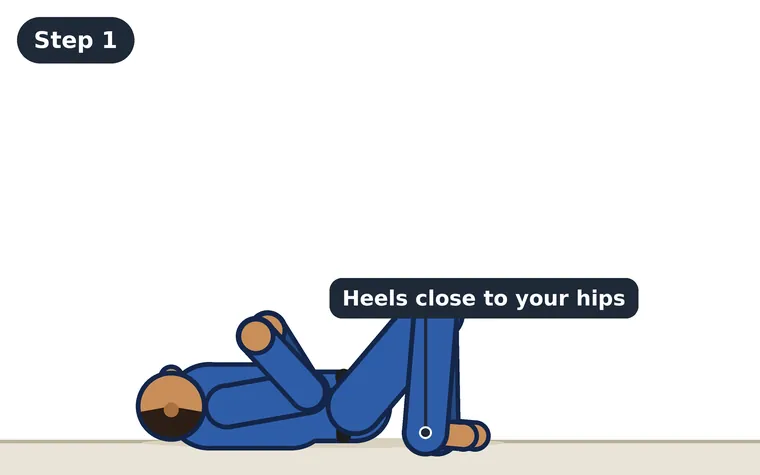 Bridge (upa)
A powerful hip lift that bumps someone off balance, used in mount escapes and sweeps.
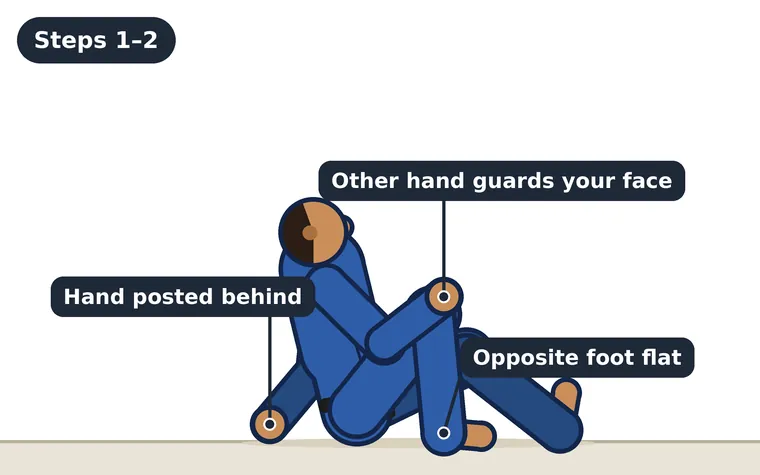 Technical stand-up
A safe way to get up from sitting while keeping your guard up and your base strong.
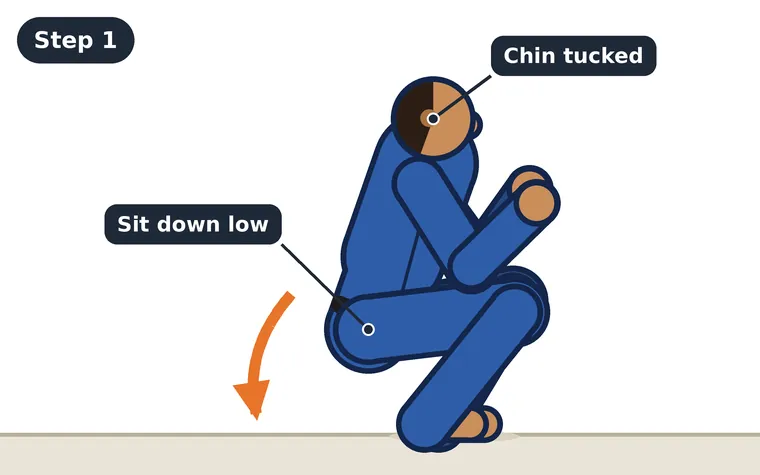 Backward breakfall
How to fall safely when you're taken down, protecting your head and spreading the impact.
Train safe. This guide is a study aid to go with your classes, not a replacement for a qualified instructor. Learn and drill every technique with your coach's guidance. Apply submissions slowly and with control, release the moment your partner taps, and tap early yourself.